European Storage Guide
Navigating regional considerations, security requirements, and facility evaluation across Europe.
Evaluating European Infrastructure
The European art market is supported by a robust network of specialized logistics and storage providers. From the freeports of Switzerland and Luxembourg to specialized hubs in London, Paris, and Brussels, collectors and galleries have numerous options. However, not all warehouses are created equal. Distinguishing a true fine art storage facility from a standard commercial logistics warehouse requires a rigorous evaluation process.
Choosing the right location depends heavily on the collector's specific needs: tax and customs requirements, frequency of access, and proximity to major auction houses or transport arteries.
Location and Risk Assessment
The geographic placement of a facility is the first line of defense against physical risk. When evaluating a potential storage partner, geographical due diligence is essential.
Environmental and Geographic Risks
Is the facility located in a known flood plain? Is it near coastal areas susceptible to extreme weather, or in a region with seismic activity? Premium facilities are strategically built on high ground, away from heavy industrial zones that might pose chemical or fire risks, yet close enough to major airports for efficient international transport.
Security Infrastructure
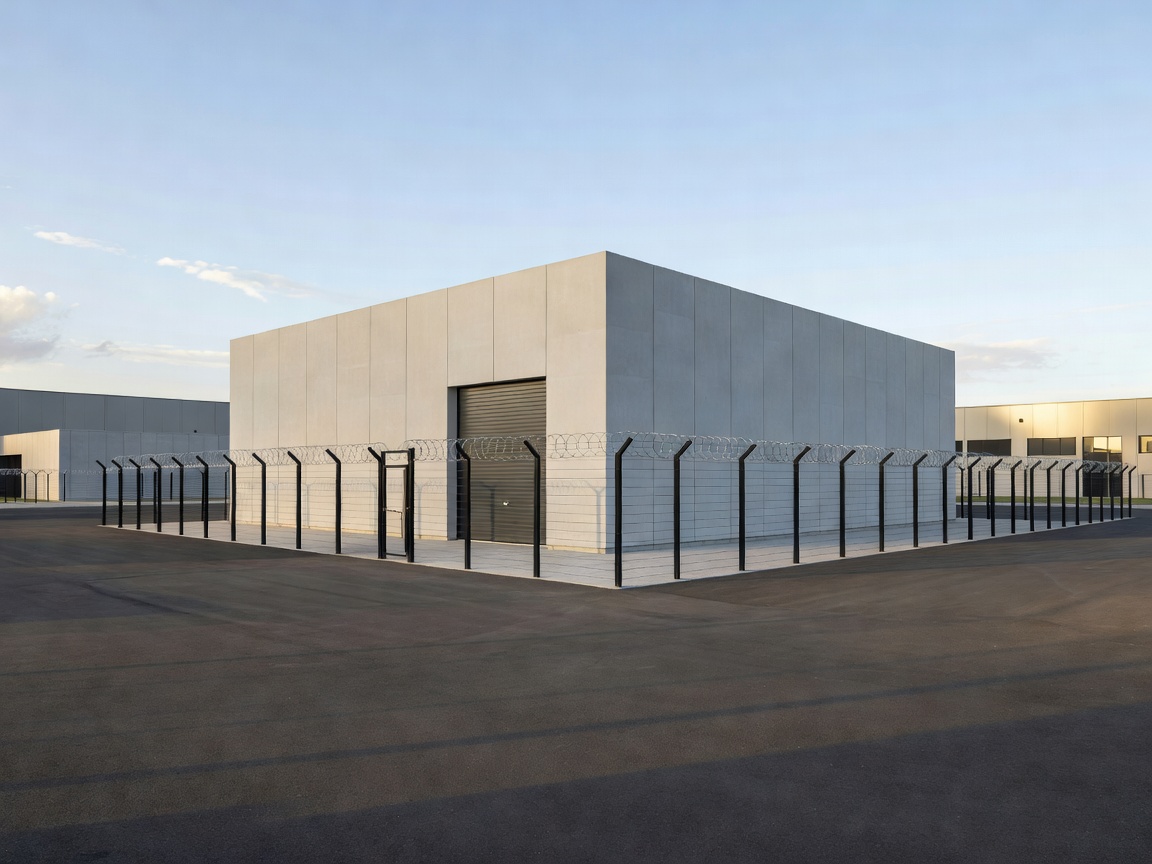
Security extends beyond simple alarm systems. A comprehensive approach includes perimeter fencing, biometric access controls, strictly gated loading bays, and continuous CCTV monitoring. Furthermore, internal security relies on compartmentalization—ensuring that external contractors or clients viewing art cannot access the main storage vaults.
Insurance and Compliance Considerations
Insurance brokers require detailed facility specifications before underwriting a policy for a stored collection. A reputable storage provider should be able to provide a comprehensive facility report detailing their structural and operational parameters.
- Fire Suppression: Traditional water sprinklers can cause more damage to a collection than a localized fire. Look for facilities utilizing advanced suppression systems, such as hypoxic air (reducing oxygen levels to prevent combustion) or clean agent gas suppression systems that leave no residue on artworks.
- Building Construction: Insurers favor purpose-built, highly insulated concrete structures over retrofitted corrugated metal warehouses. The thermal mass of concrete naturally stabilizes internal temperatures during power outages.
- Customs Status: For international collectors, bonded warehouses or freeport statuses allow works to be stored with deferred customs duties and taxes—a critical financial consideration for long-term holdings.
Questions to Ask a Storage Provider
Before committing a collection to a facility, ask these foundational questions:
- Can you provide a recent facility report detailing HVAC capabilities and backup generator testing schedules?
- What is the exact protocol when the environmental monitoring system detects an anomaly out of hours?
- Are your art handlers full-time employees, or do you rely on seasonal agency contractors?
- How is inventory physically segregated to prevent cross-contamination or accidental handling?
- Do you offer dedicated, climate-controlled viewing spaces for client or conservator inspections?
Need specialized advice?
Reach out to discuss collection management logistics and requirements.
Contact Us