Collection Storage Strategies
Navigating the architectural and logistical demands of preserving art beyond the gallery wall.
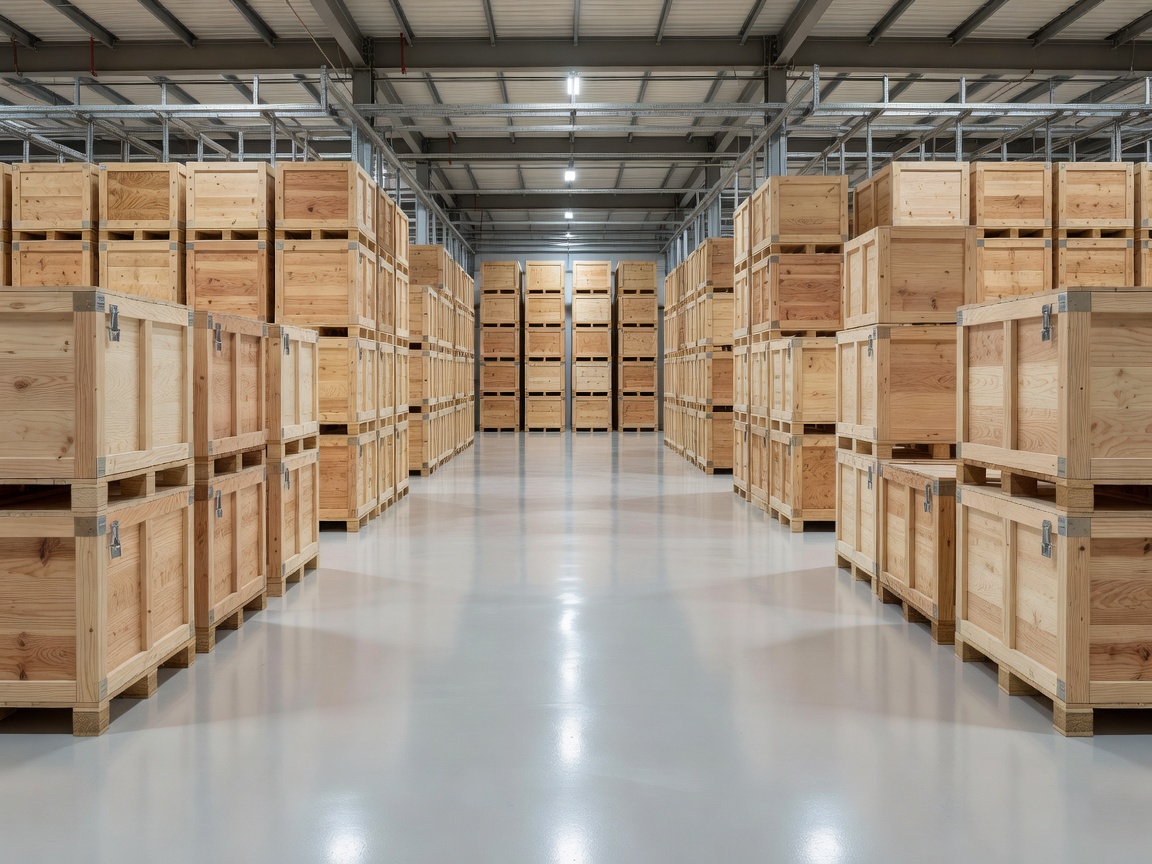
Introduction to Art Infrastructure
Securing a fine art collection requires infrastructure that goes far beyond standard logistics. Whether accommodating a private holding that has outgrown a residential footprint or supporting the dynamic inventory of a commercial gallery, the foundation of collection care is grounded in appropriate spatial organization and purpose-built hardware.
When artwork enters a storage environment, it enters a highly structured ecosystem. Every decision—from the type of shelving utilized to the physical layout of the room—impacts the long-term preservation and accessibility of the objects. European storage hubs offer varying degrees of customization, and understanding the core methodologies of collection storage is the first step toward effective collection management.
Short-Term vs. Long-Term Storage
The duration for which an artwork is stored dramatically alters the approach to its preservation. Storage environments are rarely static; understanding the temporal nature of a collection's footprint helps define the required infrastructure.
Short-Term Storage (Transit and Temporary Holdings)
Works in short-term storage are often in a transitional state—arriving from an auction house, awaiting installation, or returning from exhibition. In these scenarios, accessibility is paramount. These pieces may remain in their travel crates or be placed in high-turnover staging areas. The environmental controls must still be stringent, but the physical placement is prioritized for rapid, safe retrieval.
Long-Term Archival Storage
Long-term storage demands a "set and secure" methodology. Artworks may not be moved or viewed for years. In these cases, works are typically packed in archival materials and situated in deep-storage zones. The primary concern is extreme environmental stability and minimizing physical handling. Dust covers, stable micro-climates within crates, and specialized mounting become standard operating procedures.
Hardware and Spatial Organization
A premium storage facility relies on specialized hardware designed to distribute weight safely, minimize vibration, and allow for non-invasive inspection. The selection of storage hardware is dictated strictly by the physical characteristics of the media.
Painting Storage Systems
For two-dimensional works, sliding mesh racks are the industry standard. These heavy-duty screens suspend paintings vertically, allowing multiple canvases to be stored in a compact footprint without ever leaning against one another. High-tensile steel mesh ensures that D-rings and hanging wire can be secured directly to the rack, mimicking the orientation of a gallery wall. This is critical for preventing canvas warping over time.
Flat Storage for Works on Paper
Prints, photographs, and delicate works on paper require horizontal orientation to prevent stress on the fibers. Archival flat files—powder-coated steel cabinets with shallow drawers—provide dark, secure, and physically isolated environments for these works. Pieces are typically separated by acid-free glassine or archival tissue to prevent chemical transfer.
Three-Dimensional and Sculptural Works
Sculptures and irregular objects demand customized solutions. Heavy-duty pallet racking is utilized for massive bronze or steel works, often requiring forklift access. For smaller, fragile objects, custom-built shelving with padded, vibration-dampening surfaces is essential. A common practice in European facilities is the construction of custom "cavity mounts" within storage boxes to cradle delicate ceramics or glass.
Inventory Organization and Access Planning
Physical storage is only effective when coupled with rigorous inventory management. A disorganized collection introduces unnecessary handling risks.
- Zonal Organization: Segregating spaces by media type (e.g., photography in one zone, oil paintings in another) helps manage specific micro-climate requirements.
- Barcoding and RFID: Contemporary facilities employ discrete tagging systems, allowing registrars to pinpoint the exact rack or shelf location of an artwork without opening crates or physically disturbing a storage array.
- Viewing Rooms: Access planning involves anticipating when and how an artwork will be viewed. Premium European providers feature neutral, well-lit viewing rooms adjacent to the storage vault. This allows pieces to be inspected by conservators, clients, or curators without compromising the security or climate of the main vault.
Ready to evaluate your storage needs?
Review our framework for selecting the right environment for your collection.
Read the European Guide